
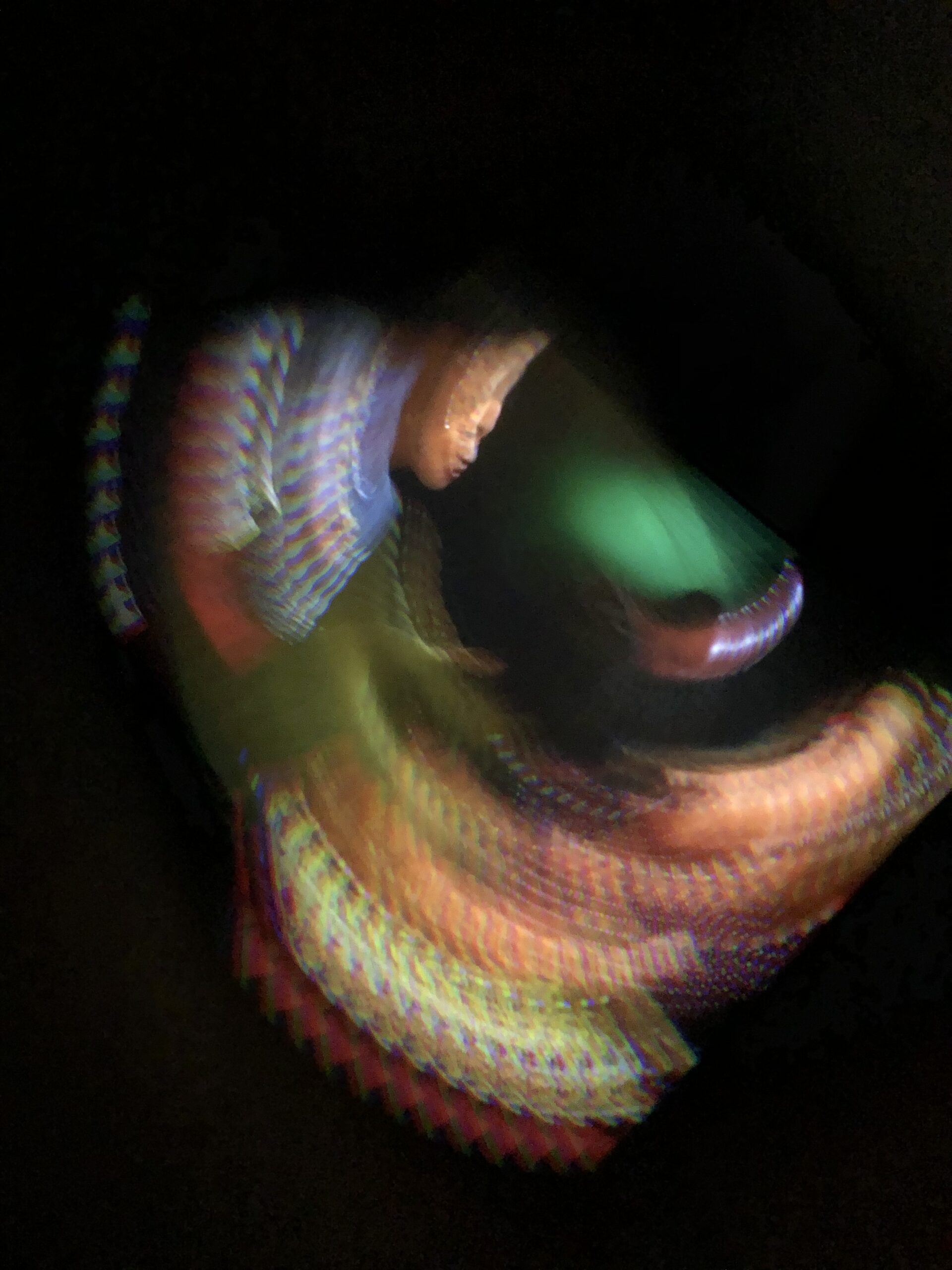
Sometimes, when something or someone hurts us deeply enough, it forces us to confront a profound sense of aloneness in the world. In those moments, we may feel as though we are floating in space without a tether—disoriented and exposed. Loneliness, understood as an emotional response to perceived isolation, is often considered unpleasant. Yet it is precisely within this discomfort that something essential can emerge.
In "Solitude" (2020), I explore the idea that the inner self is not empty or diminished in isolation, but rather complex, alive, and pulsing with creativity. Beneath the unease, there are a multiplicity of thoughts, emotions, and authentic expressions waiting to surface. Loneliness, though difficult, can become a catalyst—a vector of change. Unlike simply spending time alone, which may feel comfortable and even enjoyable, loneliness carries a tension that can push us beyond inertia.
It is this very tension that can lead us to reflect, to reinvent ourselves, and to seek new energy. In attempting to alleviate our suffering, we are often moved to create, to heal, and to build. Through this process, loneliness can transform from a source of stress into a powerful force for self-actualisation—guiding us back toward a renewed sense of meaning, and ultimately, toward rediscovering our own worth.
The decision to print on a reflective surface extends this exploration beyond the image itself. As viewers encounter the work, their own reflection becomes entangled with the scene, positioning them simultaneously as observers and participants—as voyeurs to a moment of solitude that is not entirely separate from their own. It also sends a more positive message that even in our most isolated states, we remain connected through shared emotional experiences, mirrored in one another.